
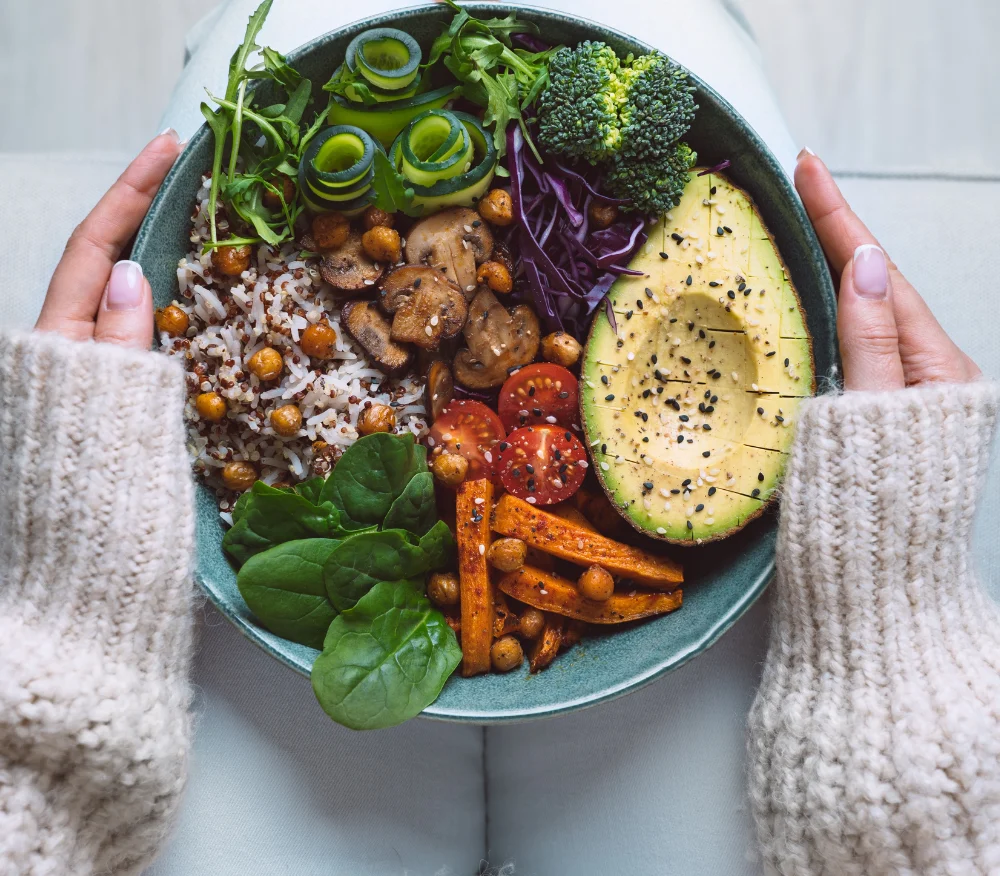
We often think of the brain as the body’s command centre. But there’s another remarkable nervous system working away inside us – one that plays a much bigger role in our health than many people realise.
It’s called the enteric nervous system and it’s part of our gut. It’s so extensive that the gut is often referred to as our second brain.
At our recent conference in Adelaide, nutrition scientist Dr Joanna McMillan highlighted the importance of gut health, including two simple nutrition goals worth knowing about:
- 30 different plant foods each week.
- 25–30g of fibre each day.
How many different plants. have you eaten this week? If your answer is “um… not many”, you’re in good company! Many of us rotate the same handful of favourite foods.
But why are these numbers important for gut health? And what does your gut health have to do with your brain, nervous system and your chiropractic care?
Let’s take a closer look.
Meet your second brain.
Your gut isn’t just responsible for digesting breakfast and keeping things moving.
With an estimated 100–500 million neurons, the enteric nervous system can coordinate many digestive processes independently of the brain.
Your gut and brain are in constant communication through what’s known as the gut-brain axis. Messages travel in both directions through several pathways, including the vagus nerve, immune signalling and chemical messengers produced by gut microbes.
Ever noticed that your stomach feels unsettled when you’re nervous? Or that stress can affect your appetite or digestion?
That’s the gut-brain connection in action.
In other words, our body systems don’t work in isolation. They’re constantly communicating, adapting and responding to what’s happening inside and around us.
Your key to gut health – feed your gut microbes!
Inside your digestive system lives a remarkable community of trillions of microorganisms known as your gut microbiome.
Think of it as a little ecosystem. Like a healthy garden, it benefits from having lots of different species working together.
These microbes help break down food, support immune function and produce beneficial compounds. Some help nourish the cells lining your colon and support the gut barrier.
And what is one of the best ways to support this ecosystem? Give your gut microbes plenty of different plants to work with.
Why 30 plants a week and 25–30g of fibre a day?
Fibre is the part of plant foods your body can’t fully digest. Different types have different roles:
- Some absorb water, helping keep digestion regular.
- Some slow digestion, helping support steadier blood sugar and healthy cholesterol levels.
- Others feed gut microbes, which produce beneficial compounds that support gut health and immune function.
A useful daily goal for most adults is around 25–30g of fibre, although individual requirements vary.
In our recent health talk, our favourite clinical Nutritionist, Janneke, also highlighted the idea of eating 30 different plant foods each week.
This draws on findings from the American Gut Project, where people eating 30 or more different plant foods each week were found to have more diverse gut microbiomes than those eating 10 or fewer.
Different plants provide different types of fibre, resistant starch and other beneficial compounds, helping nourish a wider range of gut microbes. More diverse microbiomes create better gut health.
And 30 sounds like a lot, but it’s easier than you think!
Your weekly tally can include:
- Vegetables: broccoli, spinach, carrots and capsicum
- Fruit: berries, apples, bananas and oranges
- Legumes: chickpeas, lentils, beans and edamame
- Wholegrains: oats, brown rice, quinoa and barley
- Nuts and seeds: almonds, walnuts, chia and flaxseeds
- Herbs and spices: garlic, ginger, turmeric, parsley and coriander
Each different plant counts once during the week. A bowl of porridge with berries, chia seeds and walnuts adds several plants to your tally! Even your morning cuppa even counts.
The goal isn’t perfection. It’s simply to give your gut microbes a more interesting menu.
Easy ways to add more plants and fibre – your gut will thank you!
You don’t need to overhaul your diet. Start with what you’re already eating and look for easy opportunities to add variety. For example:
Breakfast
- Add berries, banana, chia seeds or walnuts to oats.
- Try Greek yoghurt with fruit, nuts and seeds.
- Add ground flaxseeds to smoothies.
Lunch
- Add chickpeas, lentils or edamame to salads.
- Choose wholegrain or rye bread more often.
- Add hummus, avocado or extra salad vegetables to sandwiches.
Dinner
- Aim for three different vegetables on your plate.
- Add beans or lentils to bolognese, curries and soups.
- Try quinoa, barley or brown rice instead of white rice.
- Make the most of fresh herbs and spices.
Snacks
- Enjoy a handful of almonds, walnuts or pistachios.
- Try fruit with nut butter.
- Dip carrot, cucumber or capsicum sticks into hummus.
- Give roasted chickpeas or chia pudding a go.
A bonus tip: Cooked and cooled potatoes, rice and pasta develop resistant starch, a type of fibre that feeds beneficial gut microbes and lowers post-meal glucose spikes as well.
A little note: If you’re currently eating very little fibre, increase it gradually and drink enough water. A sudden increase can cause bloating and discomfort. If you have a digestive condition, your fibre needs may be different, so seek individual advice.
Your lifestyle helps shape your health.
Good nutrition is an important part of looking after your health, but it’s only one piece of the puzzle.
Our bodies are constantly responding to the demands of everyday life. The food we eat, how much we move, the quality of our sleep and how we manage stress are also pices of the puzzle and all influence our health and wellbeing.
This is where chiropractic and healthy lifestyle choices work hand in hand, supporting your body’s remarkable capacity to adapt, heal and express health.
Small changes. Big-picture health.
You don’t need to change everything overnight.
Start by adding another vegetable to dinner, taking a walk after lunch or making time for a better night’s sleep.
Perhaps this week, challenge yourself to eat 30 different plant foods and work towards 25–30g of fibre each day.
At Complete Health Chiropractic, we believe in empowering you with knowledge, care and support so you can live life well.
Because wellness isn’t just about how you feel today. It’s about giving your body the support it needs to live well at every age.